
Founded by Enric Miralles (1955-2000) and Benedetta Tagliabue, EMBT Architects operates globally with offices in Barcelona, Shanghai, and Paris. The practice spans a diverse range of public, cultural, educational, residential projects, alongside restoration and landscape architecture. EMBT’s work is defined by an experimental and collaborative approach, integrating a deep sensitivity to historical, cultural, and material contexts with a drive for innovation. Notable projects include the New Scottish Parliament (2004), Santa Caterina Market (2005), Spanish Pavilion for World Expo Shanghai (2010) and Hafencity Public Spaces in Hamburg, among others. Recent works include the Centro Direzionale Underground Station in Naples and the Clichy-Montfermeil Metro station in Paris. Over its 30-year history, EMBT has garnered over 100 awards, including the Catalan National Prize, RIBA Stirling Prize, and National Spanish Prize, alongside multiple FAD and WAF recognitions. The studio’s commitment to design excellence continues to resonate globally, shaping landscapes and cities with its dedication to conceptual thought and craftsmanship.
What are the biggest challenges you have met in your career?
A great challenge is always maintaining the harmony between the creative process and the practical, and sometimes more bureaucratic aspects in architecture. As an architect, you’re not just designing beautiful spaces; you’re creating environments for real people with real needs, while also dealing with technical, financial, and regulatory constraints. This said, overcoming these challenges pushes us to think more innovatively, collaborate more effectively, and create solutions that are both fantastic and deeply functional. It’s through navigating these complexities that architecture becomes truly meaningful and impactful.
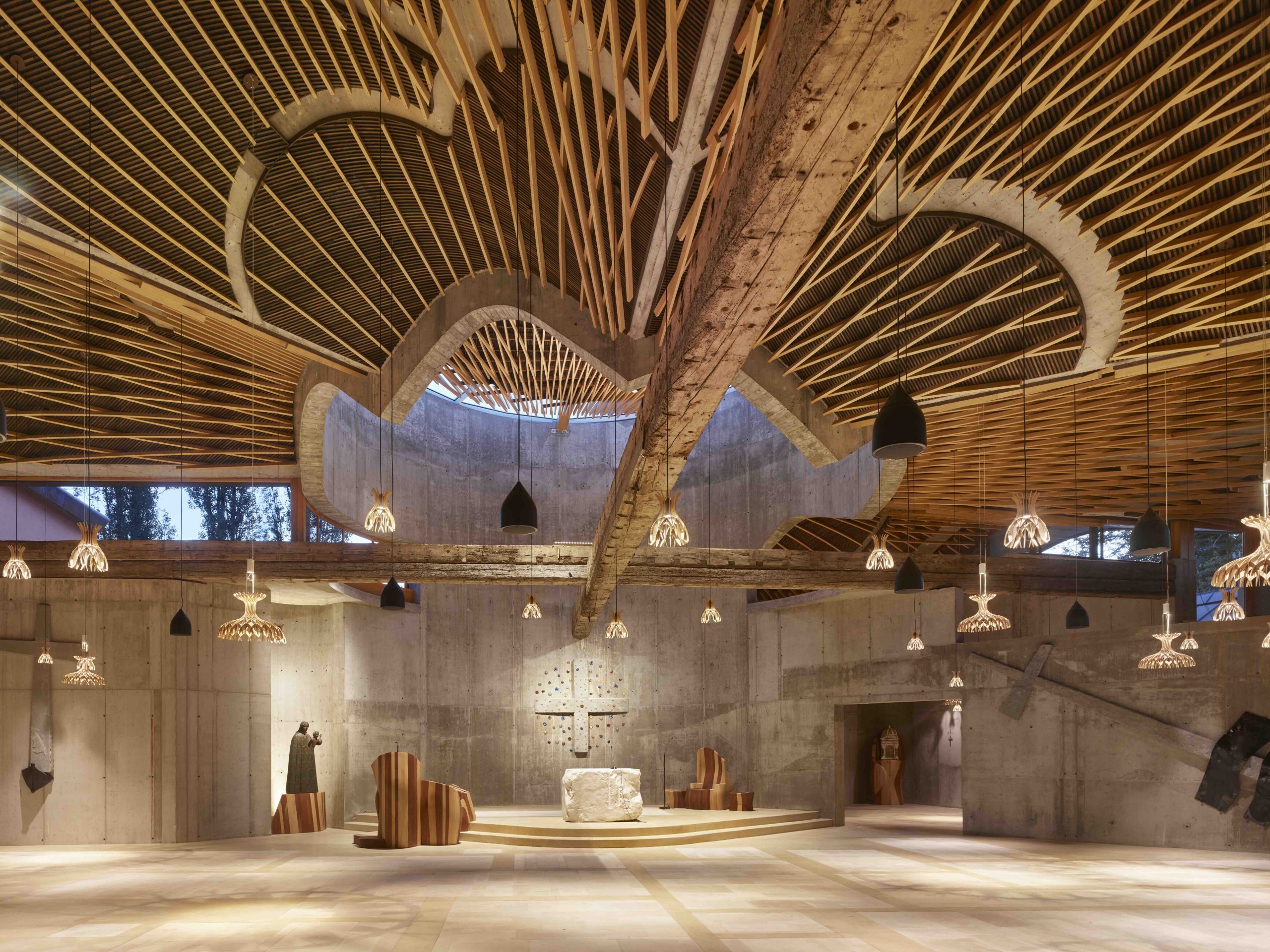
San Giacomo Apostolo_ Ph. Roland Halbe
What is the message you want to send, and what kind of people are you referring to?
What I would like to transmit is the importance of creating spaces that feel warm and inviting places that people can return to again and again, finding comfort and connection. I believe in designing architecture that welcomes its users, that resonates deeply with those who experience it.
Another essential part of my message is the sensitive use of natural material and, when possible, their reuse. I always aim to create spaces that are both environmentally and socially sustainable. In the face of the climate crisis, it’s vital that our work supports the planet.
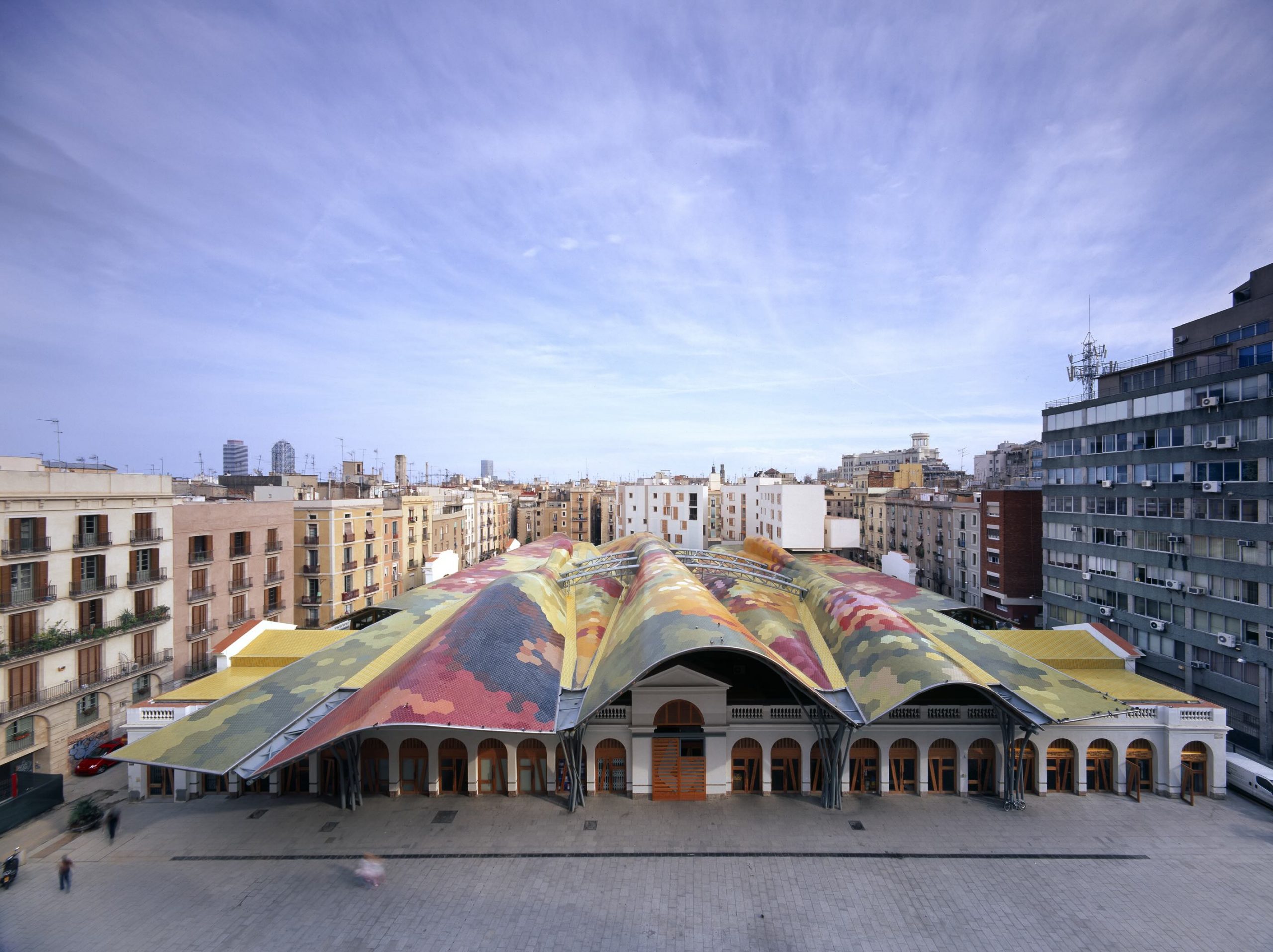
Mercado de Santa Caterina_ph. Roland Halbe
What is your main source of inspiration?
Nature is my constant muse. Its organic forms, intricate details, and the harmony with which everything functions together is endlessly inspiring. But equally, I’m inspired by the spirit of the places I work in—the cities, the cultures, and the people. Every place tells its own story, and I see architecture as a way to translate those stories into something tangible and meaningful.
Architecture is also a deeply collective process. Working in the EMBT studio is incredibly inspiring—being surrounded by people from different backgrounds, with varied interests, ages, and ideas, creates a wonderfully experimental atmosphere. Sharing thoughts and collaborating on designs in this way makes every project richer and more exciting.
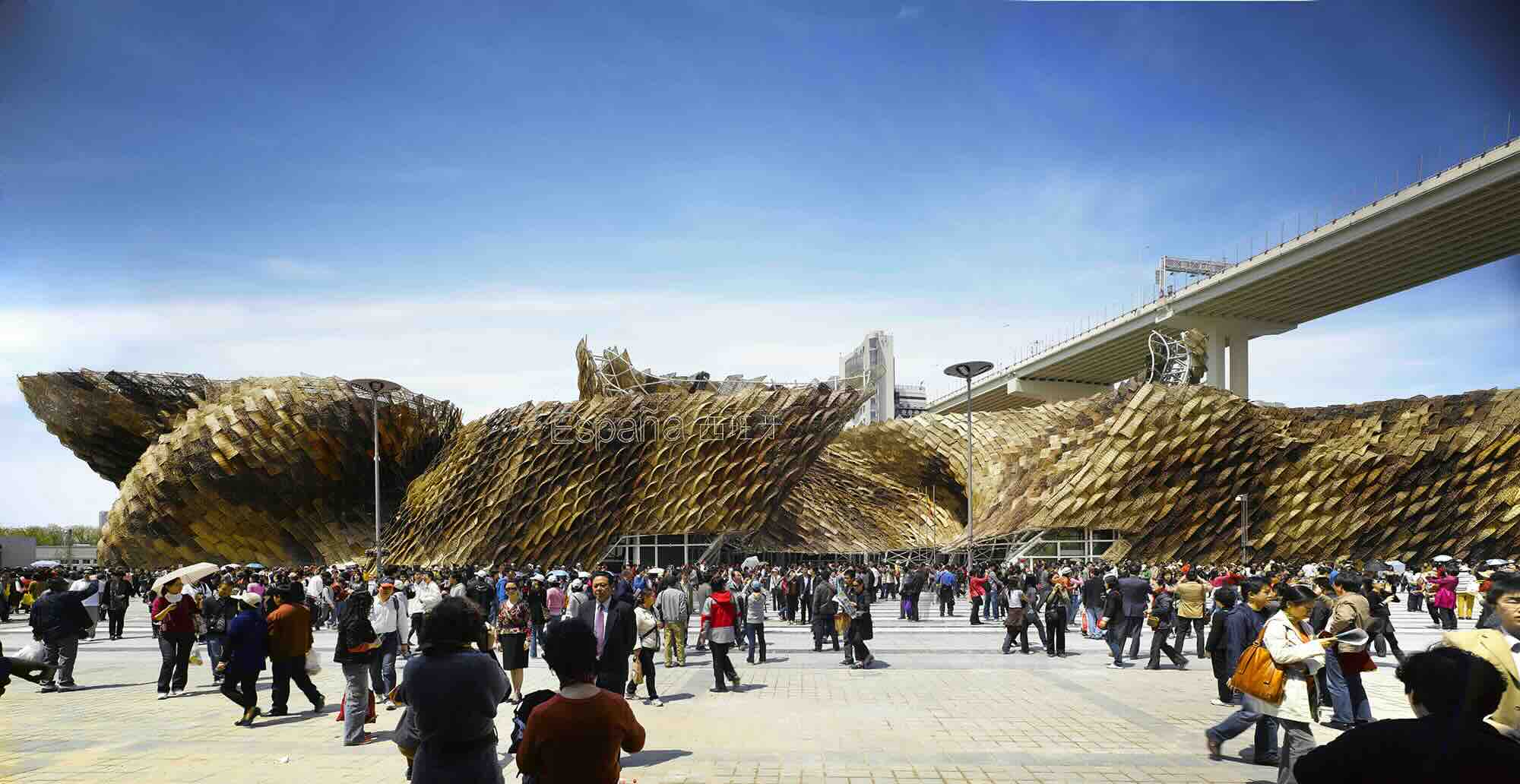
Spanish Pavilion Shanghai2010_ Ph. Roland Halbe
What about your next project?
We are fortunate to be working all over the world, continuing projects in beloved places like Europe and Asia. China, in particular, is a place that holds a special place in my heart—I’ve loved its landscapes and cultural richness since I first visited at 18. The scale and diversity of projects there are always invigorating.
At the same time, we’re discovering new places closer to home but still to the east, with wonderful projects in Albania, Greece, and others on the horizon. It’s thrilling to work in such varied contexts, always keeping an experimental and playful spirit alive.
Our approach remains rooted in creating architecture that is embedded in its place—culturally sensitive, warm, and crafted with care. We continue to prioritize natural materials, and through our work, I hope to evoke a sense of comfort and connection to the environment, wherever the project may be.
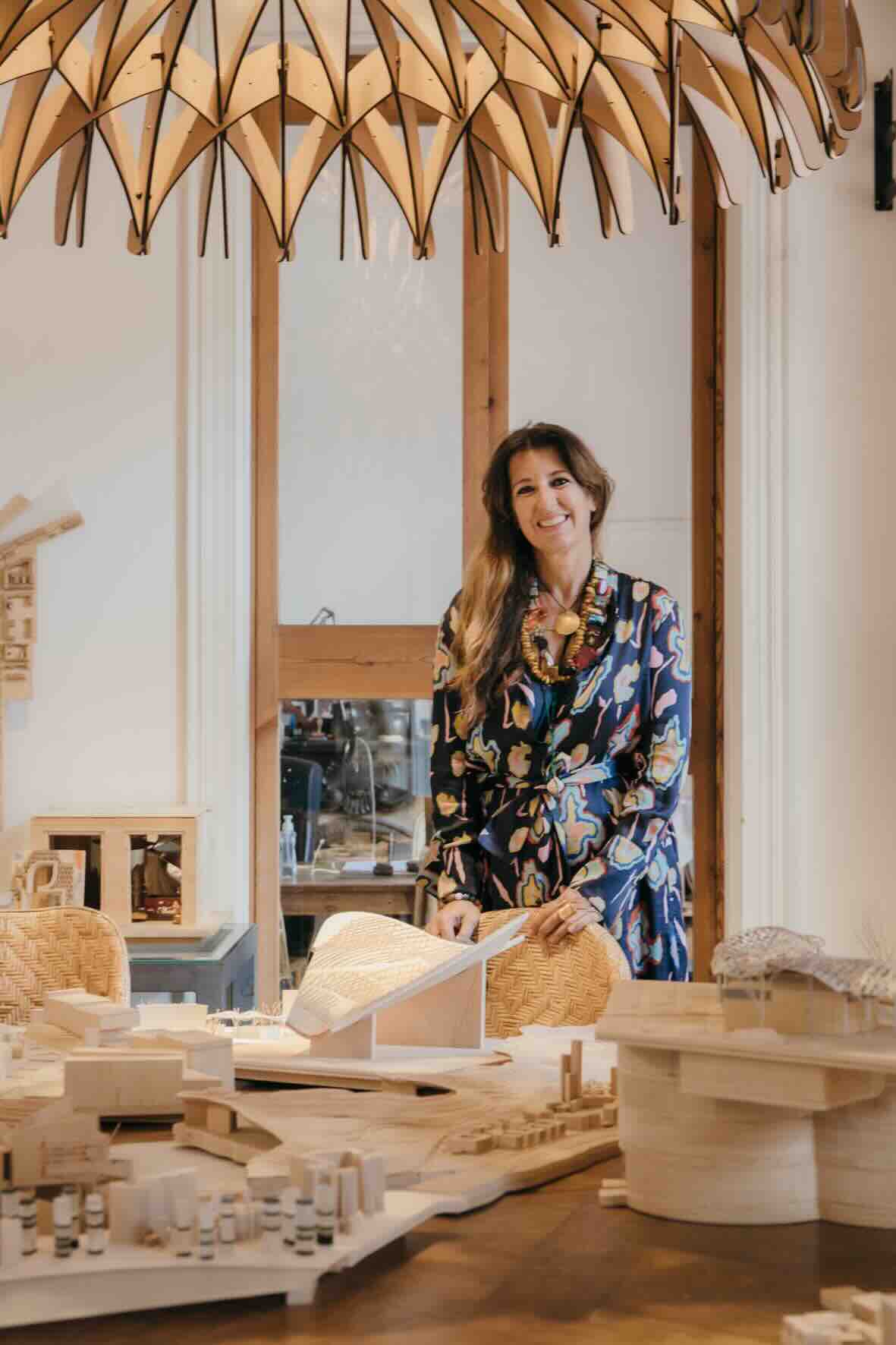
Portrait: Benedetta Tagliabue