
1) How would you describe your latest works?
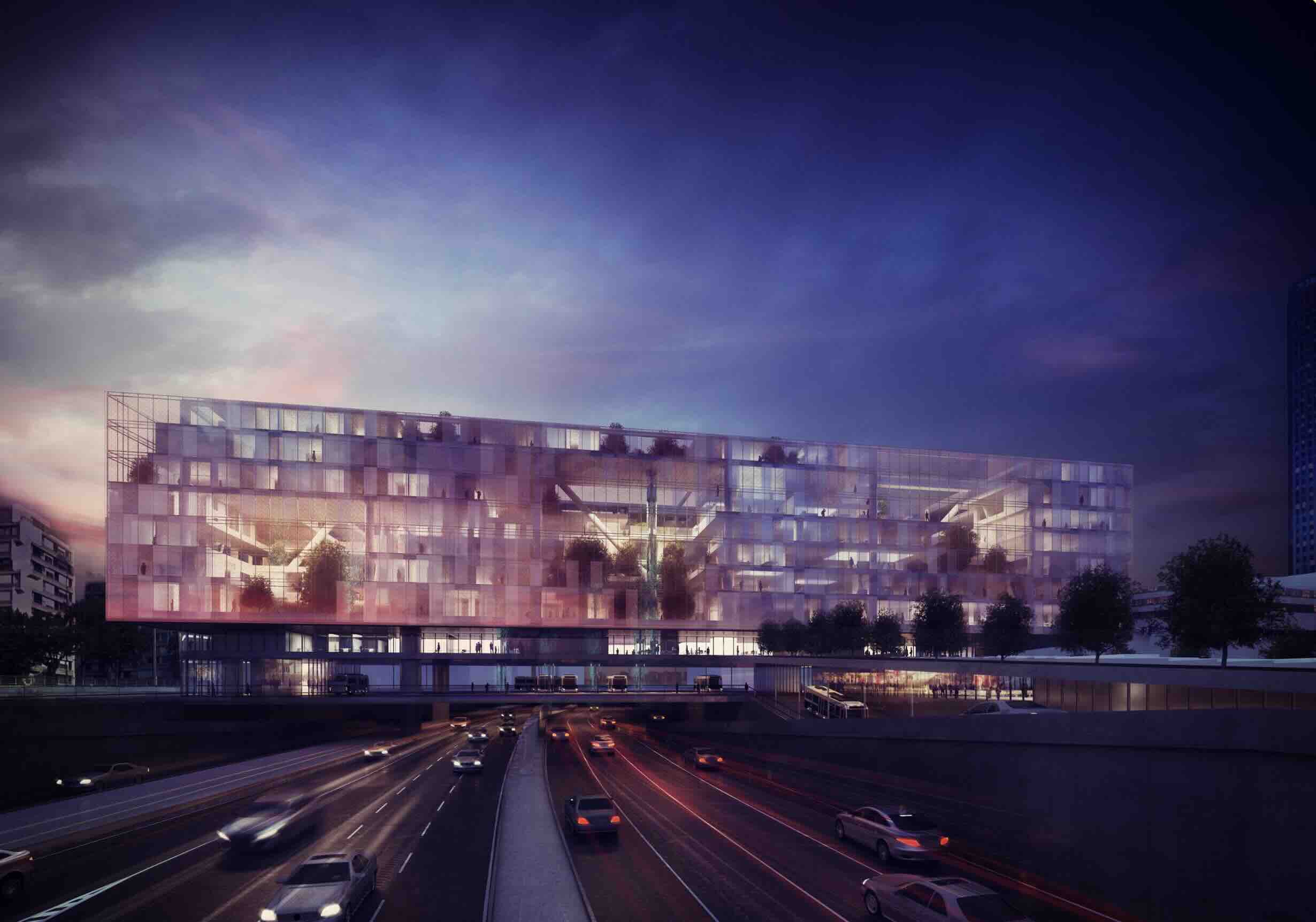
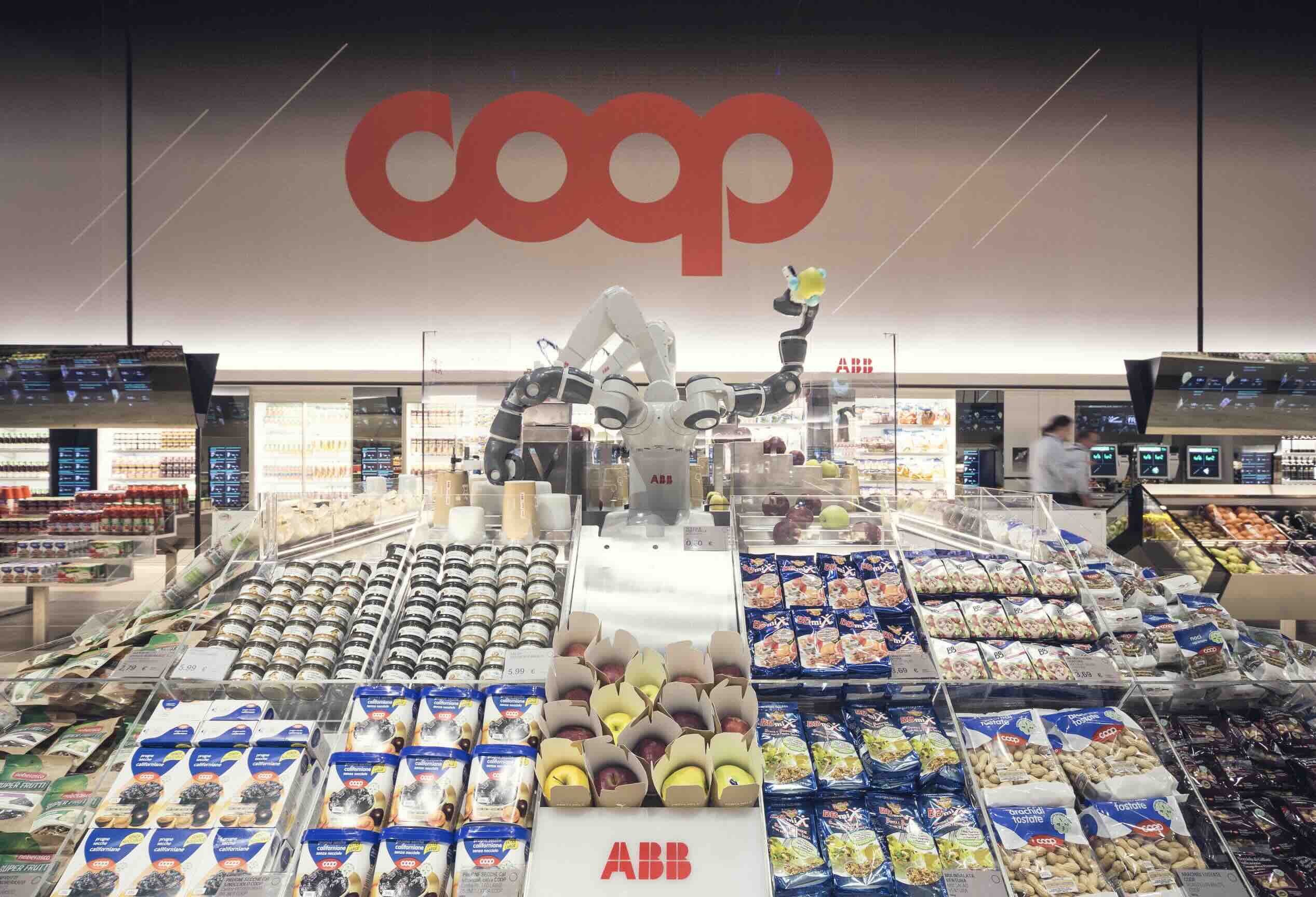
I would start with three recent projects we presented during Milan Design Week last month. OLTRE, the outdoor kitchen we designed for Veneta Cucine — one of Europe’s leading kitchen companies — asks what happens when the kitchen leaves the wall, leaves the house, and begins to behave more like a piece of landscape. House of Polpa, built for Mutti, the Parma-based tomato company, treats architecture as something provisional, circular, and ultimately meant to be dismantled by eating it. Then there is Robi, a humanoid bartender developed by Makr Shakr, one of our startups focused on automated beverage systems, which turns the bar counter into a small theatre of learning, gesture, and coexistence between humans and machines.
At first glance, they are very different things — a kitchen, a pavilion, a robot — though all three revolve around the same question. Beyond the playfulness and lightheartedness that Milan Design Week often demands, I have become increasingly interested in something I find crucial: design as an open process, less a fixed composition than a continuous adjustment. Cooking is a good model for that. One tests, tastes, corrects, repeats. Intelligence accumulates through iteration. In that sense, these works are less about objects than about behaviour, use, and the way design changes once life is allowed into the picture.
2) What are the biggest challenges you have met in your career?
Probably resisting specialization.
It is not just about disciplines. I move between universities, design practice, research, startups, and each of those worlds has its own language, tempo, hierarchies, and vanities. Academia can become abstract very quickly, practice can become cautious, startups can become impatient. The challenge has been to keep those worlds in productive tension, so that each one corrects the others instead of drifting into its own habits.
That is also why I have always moved back and forth between the MIT Senseable City Lab, where we work on research and urban prototypes, and CRA–Carlo Ratti Associati, the design and innovation studio. One side asks questions; the other is forced to answer them in public, with budgets, materials, regulations, and gravity. The interesting work usually begins in the gap between the two.
3) What is the message you want to send?
That architecture can still be part of the solution. For younger architects especially, that matters.
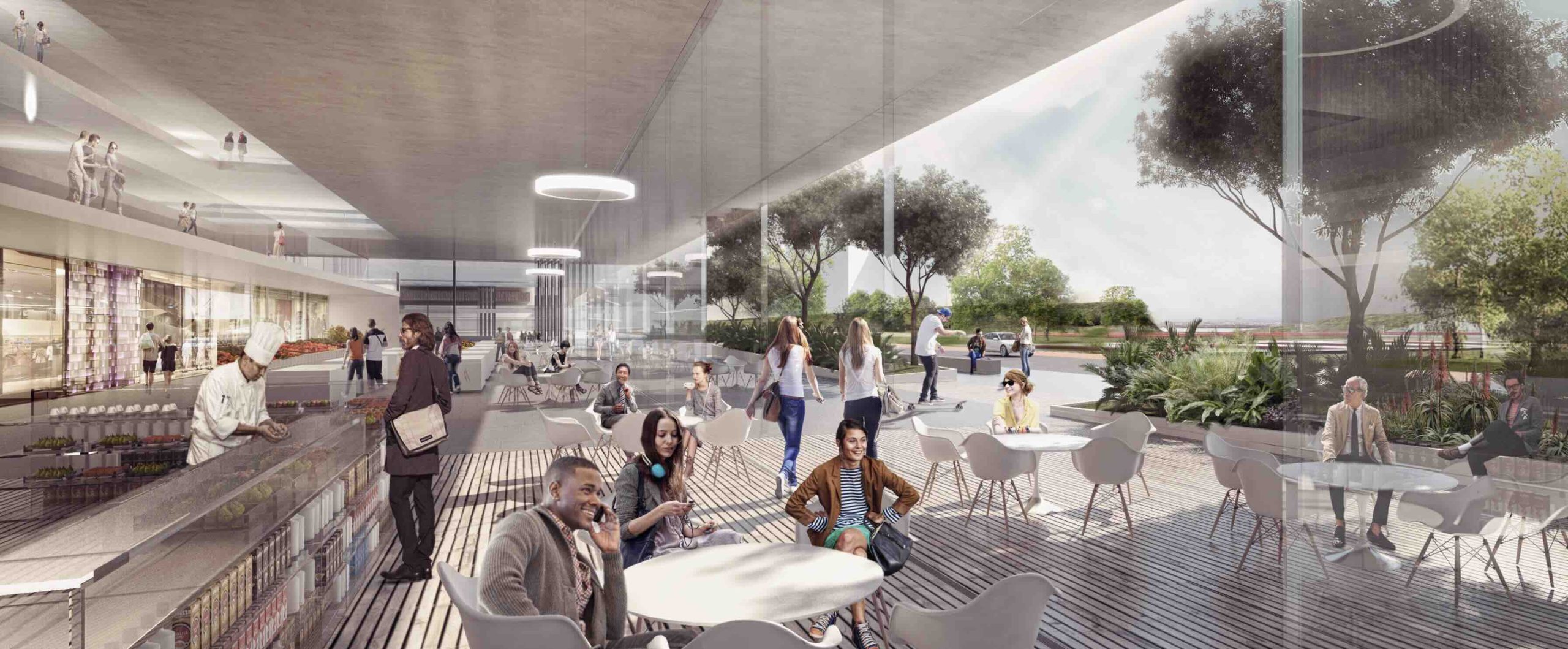
Faced with climate change, ageing societies, and growing urban inequality, the discipline should not be content to arrive late and apologise for the damage. It still has the capacity to imagine alternatives, test them, and build them.
I have never been interested in architecture as a sealed world speaking mainly to itself. It has to engage with energy, public space, technology, ecology, politics, and daily life, because that is where the pressure is. The task is not to produce consoling images of the future, but to create better arrangements for living in the present.
4) What is your main source of inspiration?
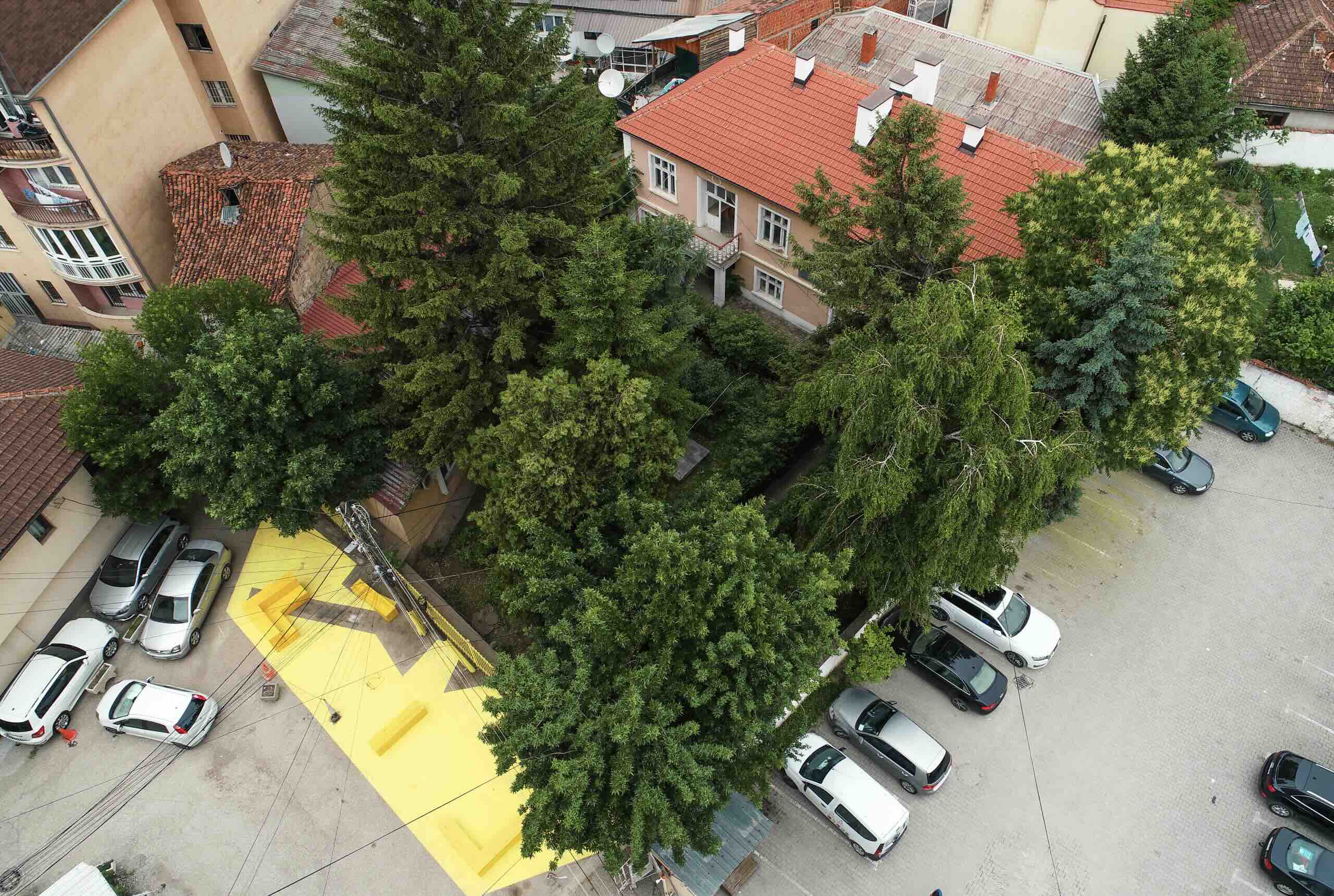
The Fagus sylvatica ‘Pendula’ tree outside my desk.
It does not make speeches, but it understands adaptation rather well. That may sound like a joke, though I mean it quite seriously. Plants do not waste time on theory. They deal with light, heat, shade, water, competition, and change — and they do so with a kind of patience architects could learn from.
5) What about your next project?
I am guest-editing the current May issue of Interni, the Italian architecture and design magazine, built around the idea of The Polyamorous Home.
The title is playful, but the point is serious. The home is no longer designed for humans alone, but for a much wider cast of presences: plants, animals, microbes, sensors, and machines. Design is slowly beginning to recognise this new form of kinship, and I think that shift is fascinating. In the issue, polyamory is explored through voices ranging from Beatriz Colomina to Cicciolina.
Portrait Carlo Ratti