
Chiara Andreatti was born not far from Venice and she moved to Milan to study in the European Institute of Design and then to attend a Master’s program at Domus Academy. She has worked to several design studios like Raffaella Mangiarotti , Renato Montagner and studio Lissoni Associati where he has been working for more than ten years. She design for companies like Glas Italia, Lema, Potocco, Gebrüder Thonet Vienna, Fendi Casa, Arflex Japan, Non Sans Raison, Starbucks, MM Lampadari, CC-Tapis, Pretziada, PaolaC., Ichendorf, Mingardo. From 2016 to 2018 she was art director of Texturae, Karpeta and BottegaNove and from 2021 Potocco and Radici Contract.
In 2018 she was called to represent the 10th anniversary of Fendi’s edition at Design Miami. Her work has been published on major domestic and international magazines (Domus, Interior, Surface, Rum, Living, Wallpaper, Elle Decor, Living, Icon, Ddn etc.).
In 2019 she has won the IF Design Award with the Loïe armchair made for Gebrüder Thonet Vienna.
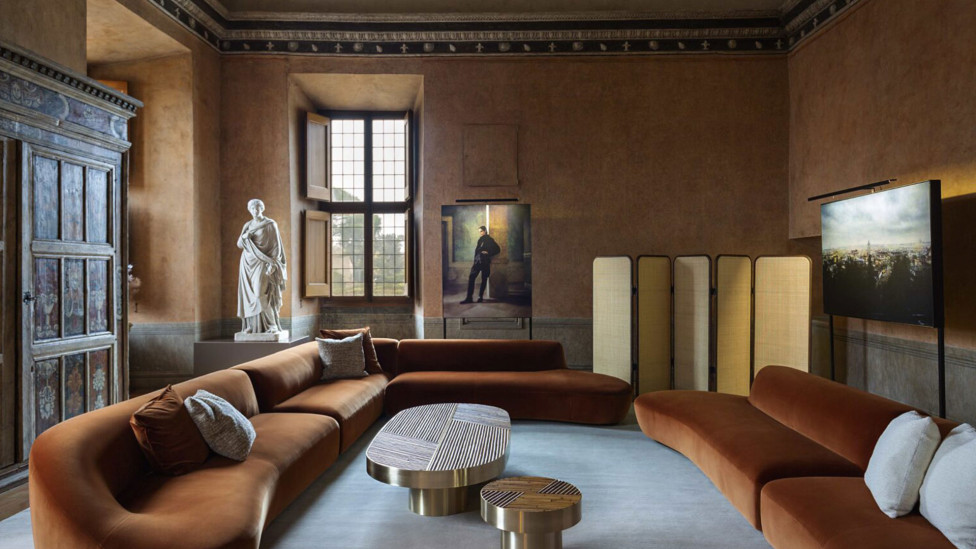
Fendi, Villa Medici
What are the biggest challenges you have met in your career?
The biggest challenge is always dealing with the technical limits of the material I
being used. Sometimes we try to make it extreme and we try to force its technical
characteristics by experimenting but we realize on the project and on the prototype
that is in charge.
How would you describe your work?
For me, design is being able to create an object that expresses poetry. It can arise
from a specific research, and subsequently represented by a process, or a
reference to a historical period. Everything always arises from the way things are
seen, finding something hidden in reality that perhaps we are the only ones to see,
once found it must be maintained and worked with the purest authenticity. If even
only a part of this process transpires in the object, in my opinion the project is
successful, all mixed with good aesthetics and attention to proportions.
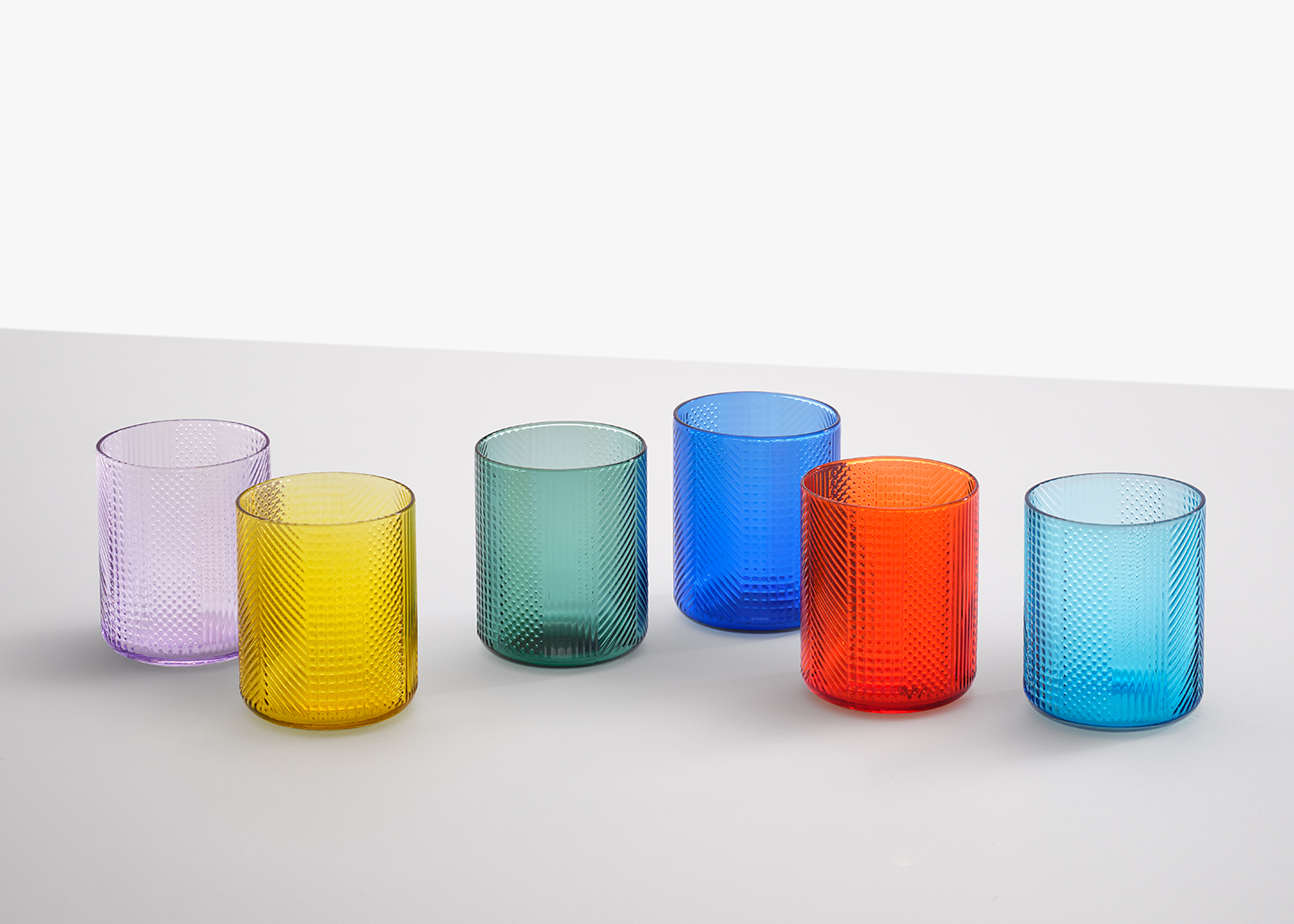
Ichendorf – Kokhi, 2023
How is your passion for design and visual art born?
I actually think that this is part of my DNA, even my maternal grandmother was
endowed with creativity and aesthetic sensibility. My mom told me that in the 50s/
60s she designed shapes and decorations, glass and ceramics that she later
made with the artisans of the shops for herself. I feel somehow involuntarily that I
have continued the tradition
What is the most difficult work you have done and why?
Lately I have been experimenting with new materials such as parchment, bamboo,
textile surfaces such as carpet
Giving life back to them and combining them with different unusual uses is the
hardest part.
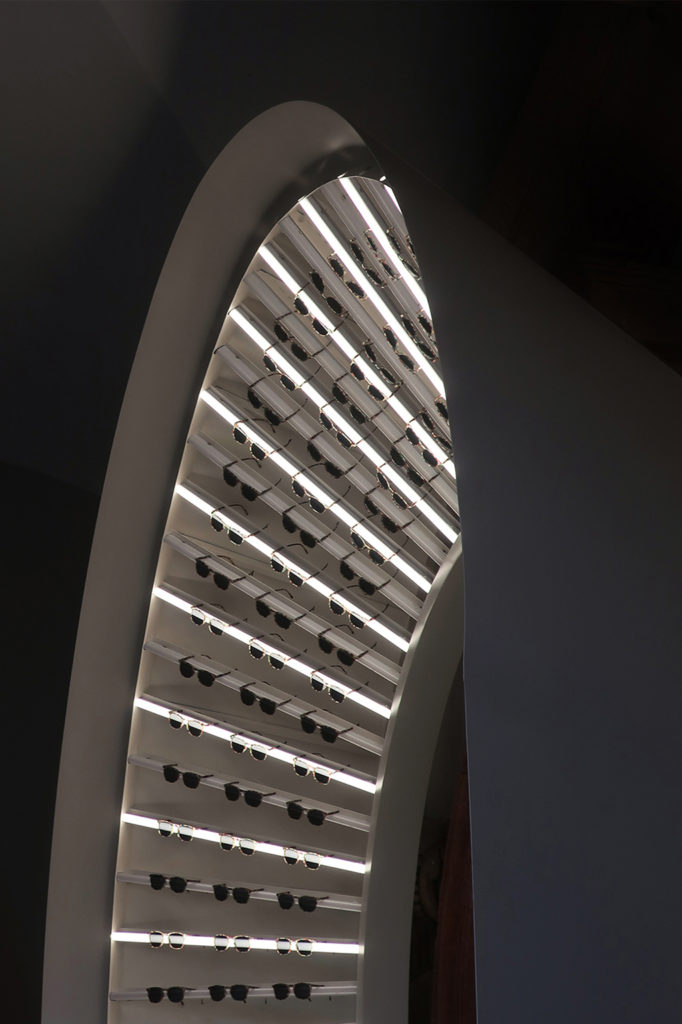
Izipizi – Design Vibration – Human Spaces, 2019
What is your main source of inspiration?
I pay a lot of attention to what surrounds me and I do a lot of research on
contemporary art, architecture and craftsmanship. When I travel, I like to search
new aesthetics and methods.
I have always an attraction and a curiosity for “the new”, for the “diversity” of every
object, workmanship or finish, trying to realize and archive every stimulus in a
collection of images
started in 2002 but never concluded that brings together everything. This is
essential for my projects.
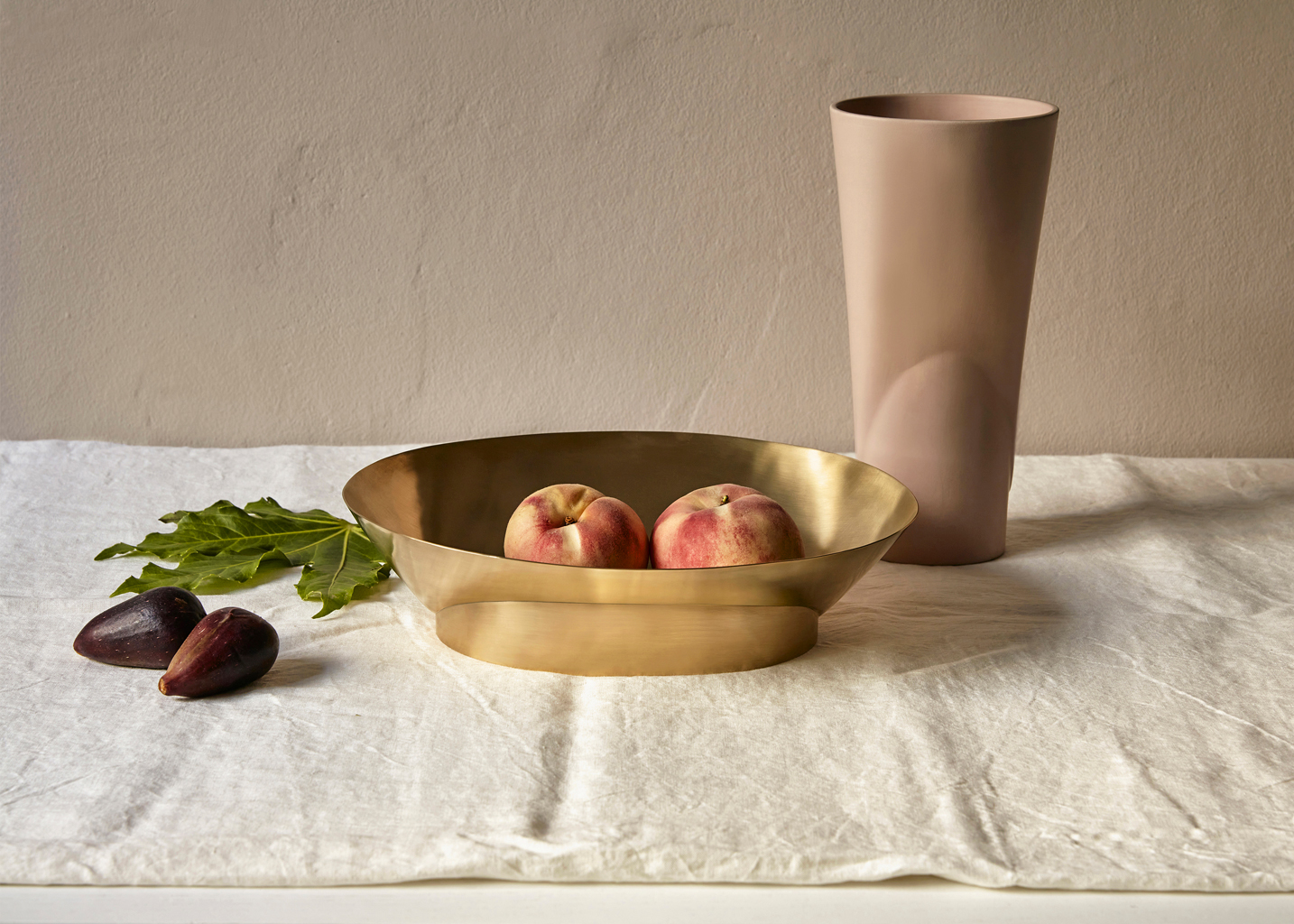
PaolaC – Timóclea, 2021
What about your next project?
The collaboration with Arflex Japan and Paola will follow.
Outside of design, what are you currently interested in and how is it
influencing your work?
I am attracted by the union of diversity. I’m interested in mixing two different ways of
working such as artisanal and industrial, or combining the product with the world of
graphics or fashion, perhaps starting from a particular process. I don’t feel like a
real ‘industrial designer’.
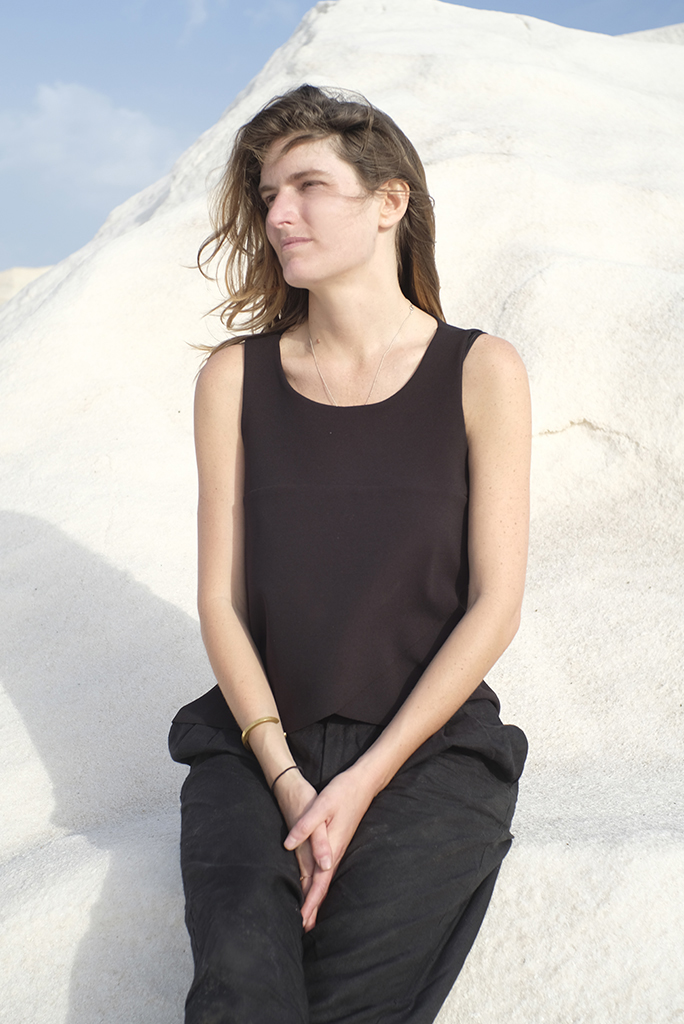
Portrait Chiara Andreatti