
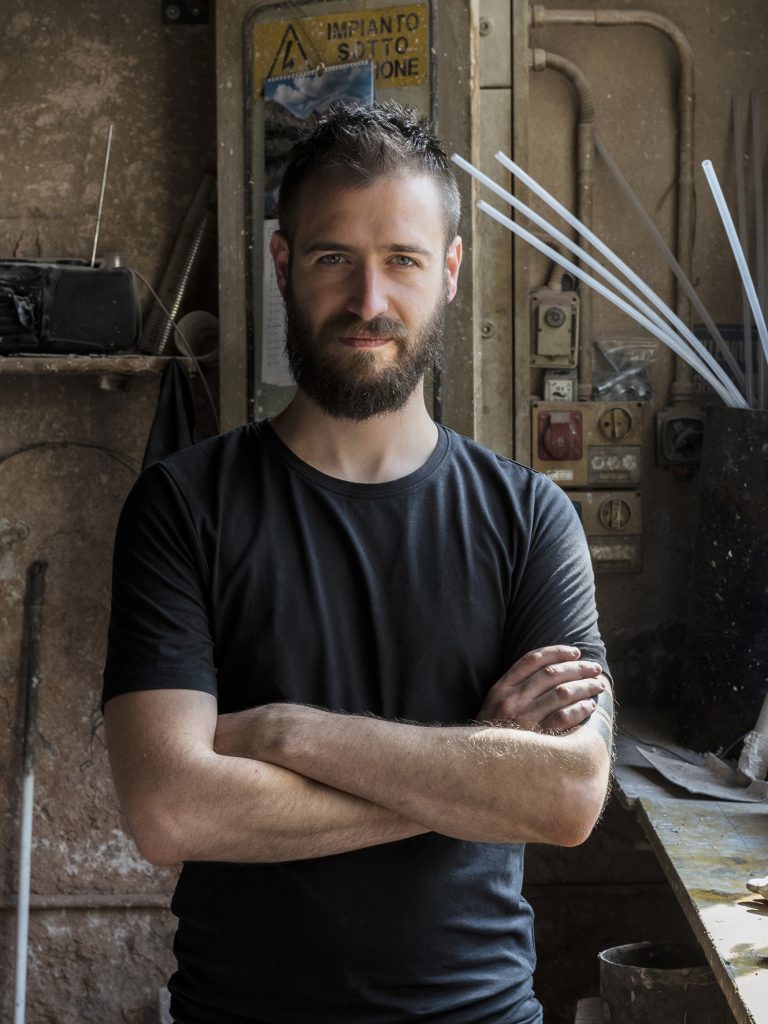
Roberto Sironi is an Italian designer, who lives and works in Milan.
His design practice is defined by a research-based and process-oriented approach, where thinking and making converge in the creation of artifacts, which are considered narrative tools to trigger a dialogue with the user.
This approach materializes through a body of work that breaks with the primary function by blurring the boundary between functional object and sculpture; the artifacts produced are the result of a process in which the subjects addressed are investigated through an in-depth analysis from a historical, geographical and anthropological point of view.
The works are conceived as contemporary ultra-signs, where the transformation processes re-signify the matter, revealing its unseen qualities and giving it new features.
The practice, founded in 2015, embraces different types of design practices, such as product and installation design, strategic research and design consultancy, through the collaboration with institutions, galleries and companies.
Roberto Sironi also combines his practice with teaching and research activity in the Design Department of Politecnico di Milano, where his studies focus on new technologies for design.
Let’s get to know him!
When did you know you wanted to be a designer?
I enrolled in the Industrial Design course at the Politecnico di Milano with the idea of designing for industry, but I quickly understood that design is a wide field where there are many ways to go and there is not only industry for give shape to your ideas. I therefore decided to follow a multidisciplinary approach where design is expressed through a series of knowledge and techniques that derive from the world of applied art, the humanities and craft, trying to draw my own personal trajectory.
What is your main source of inspiration?
I source information from different fields of study: art, whether contemporary or ancient, always remains the main reference, but I also do a lot of research in the field of anthropology and archeology. In recent years I have also studied many theories and philosophies on the relationship between humans and nature, which form the theoretical and ethical basis on which I conceptually impose my design approach.
How would you describe your approach?
My aim is to translate theoretical and conceptual thinking through processes of matter transformation, that is modeled and interpreted to become a narrative medium. Matter experimentation remains a fundamental part of my work, but before intervening I make long reflections on how it can be interpreted, on what are the reasons that move me, on what can be transmitted while respecting its deepest nature.
What do you feel are the biggest challenges for designers working today?
Living in these times is very complex, there are enormous challenges to face, from climate change to issues related to the appropriation of cultural identity, from conflicts on a global scale to pandemics of various kinds. Designing today means analyzing the feasibility of the project from different perspectives, inevitably entering into a relationship with these dynamics. It is complex to be a designer in these difficult times, but at the same time there is an opportunity to make changes to the entire system.
Do you want to confess something that nobody knows yet about you?
I understand it might sound absurd, but I’ve never made a post on social networks!
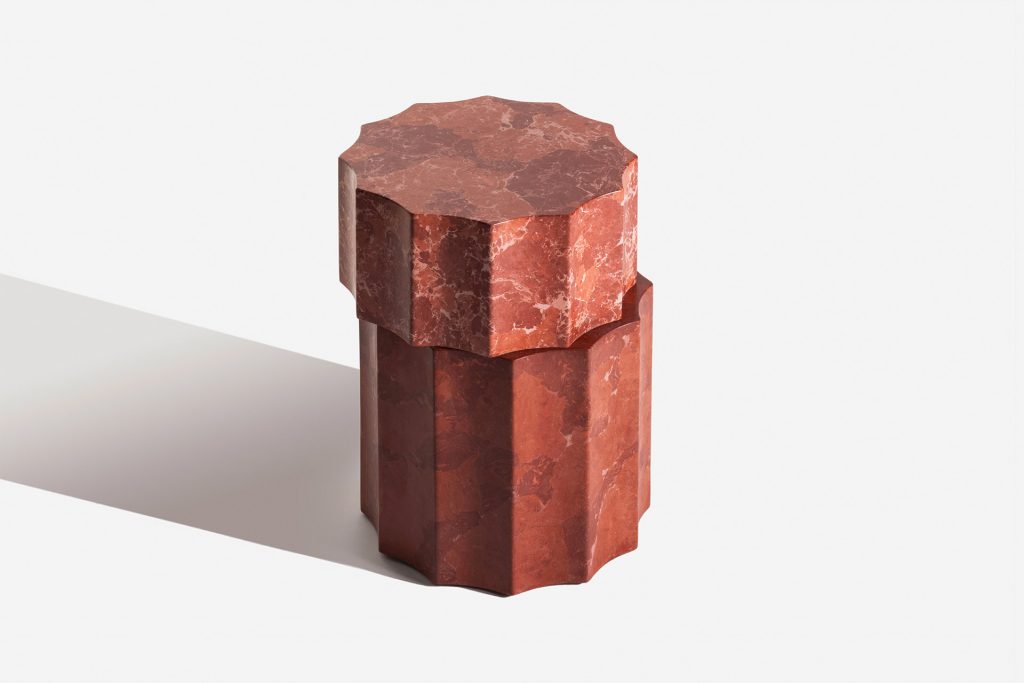 Domuspompeii
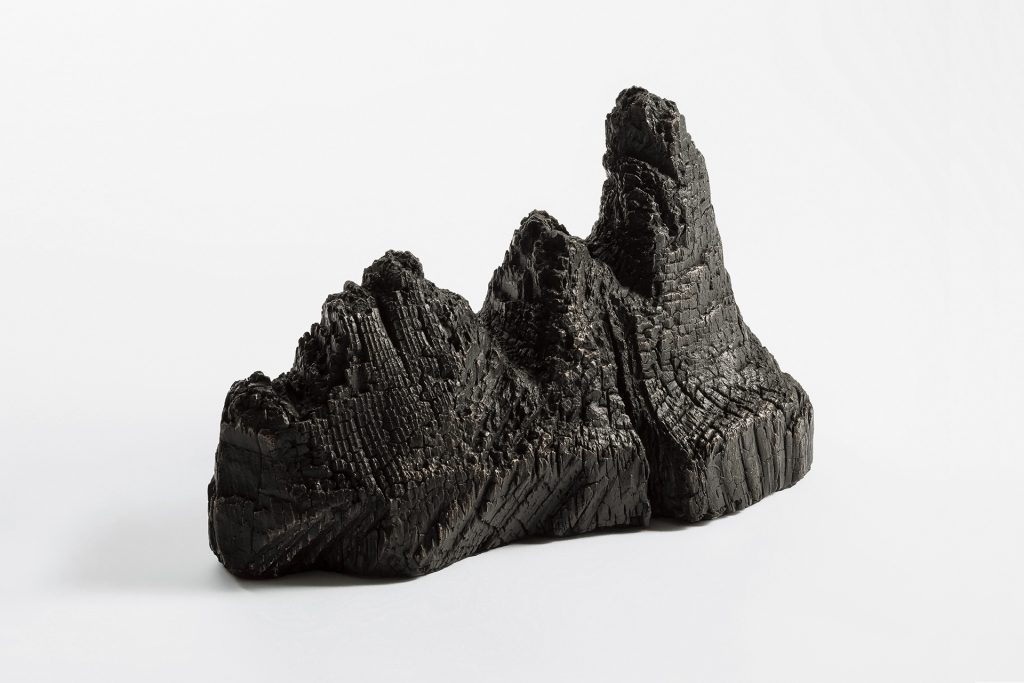 Fuoco
Fuoco
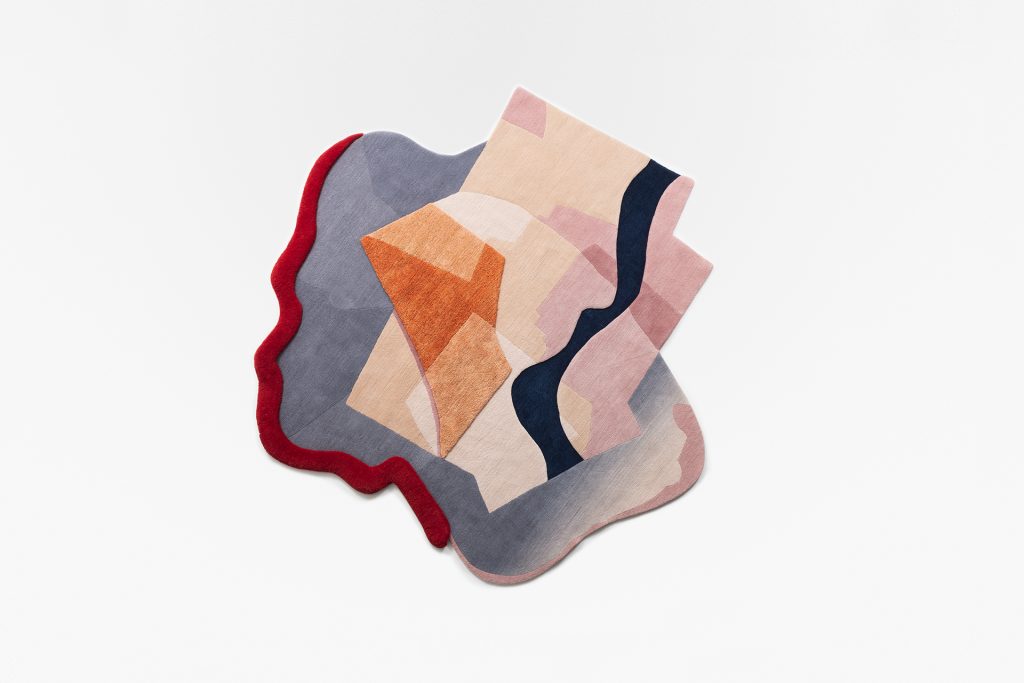 Antropico Entropico
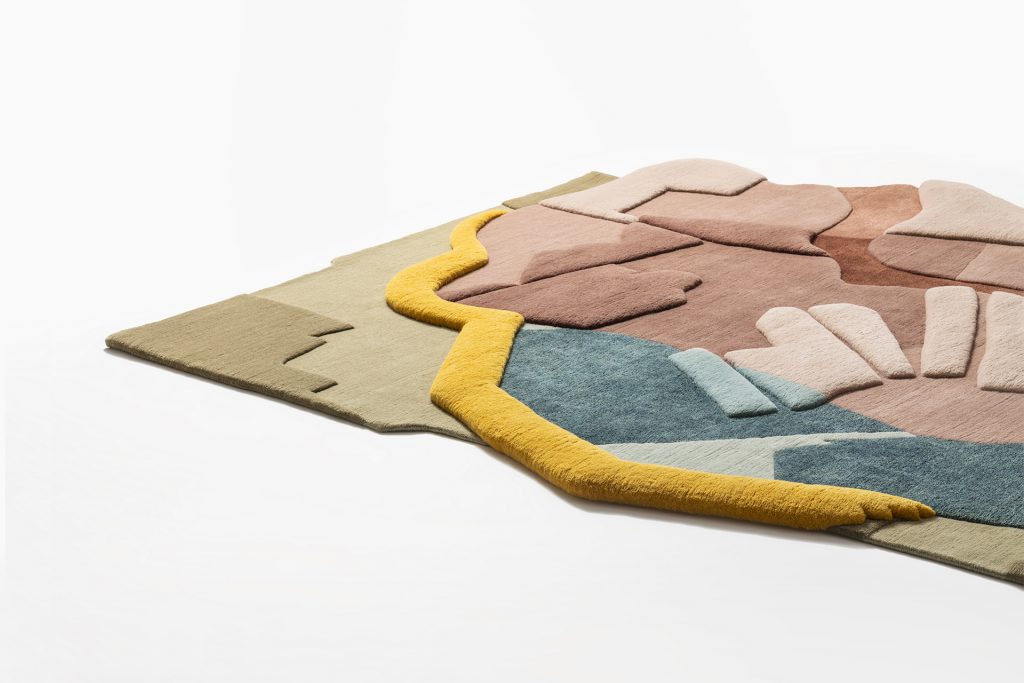 Antropico Entropico
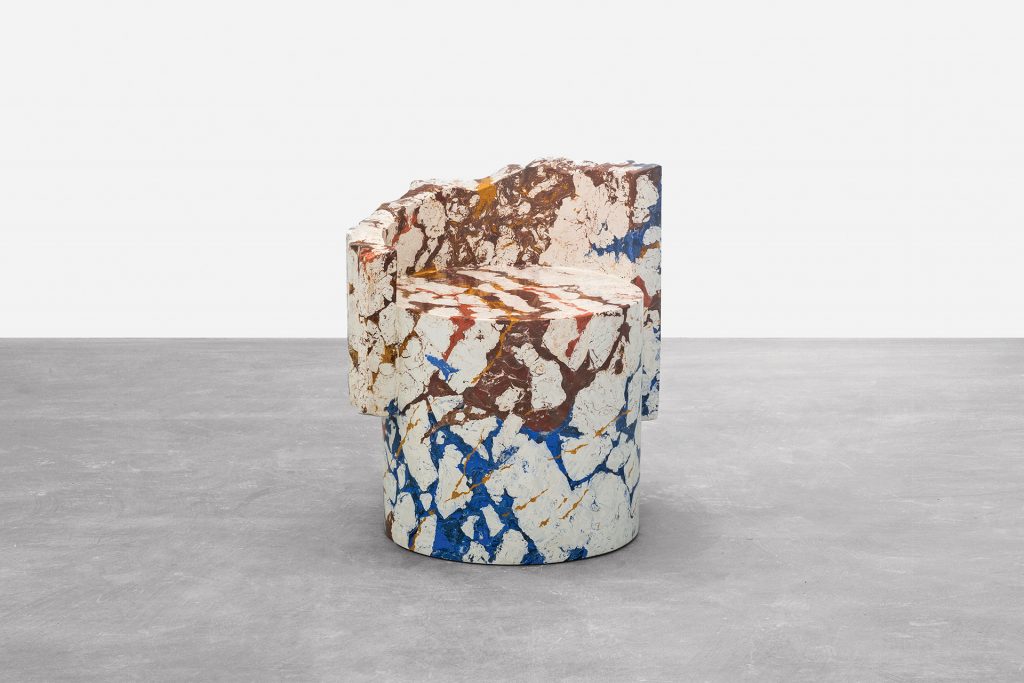 Ruins Delphi
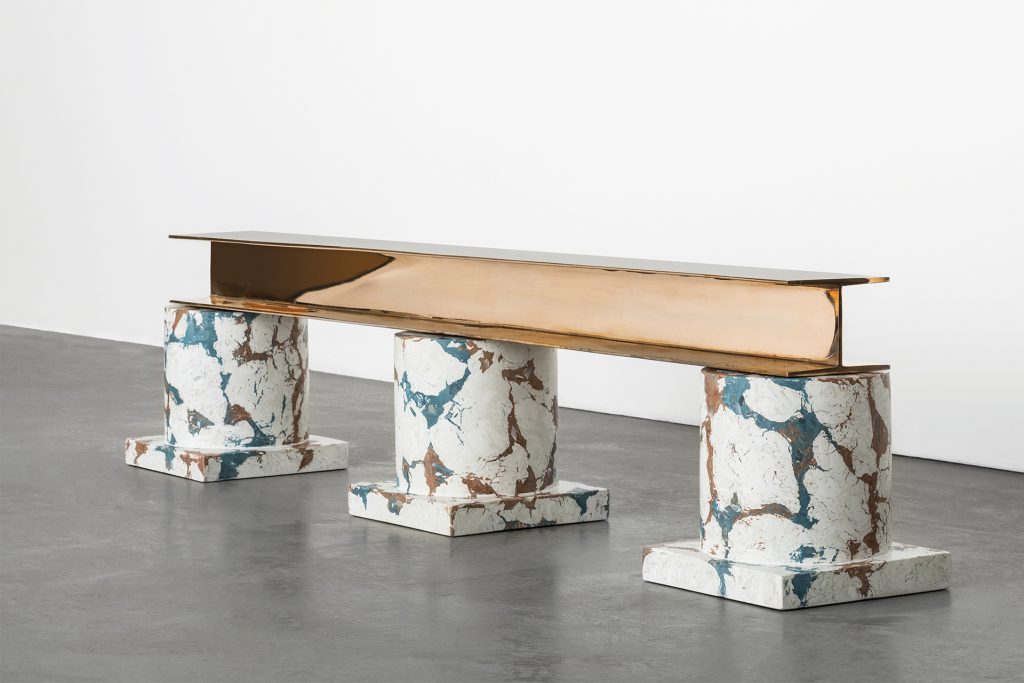 Ruins Palmyra
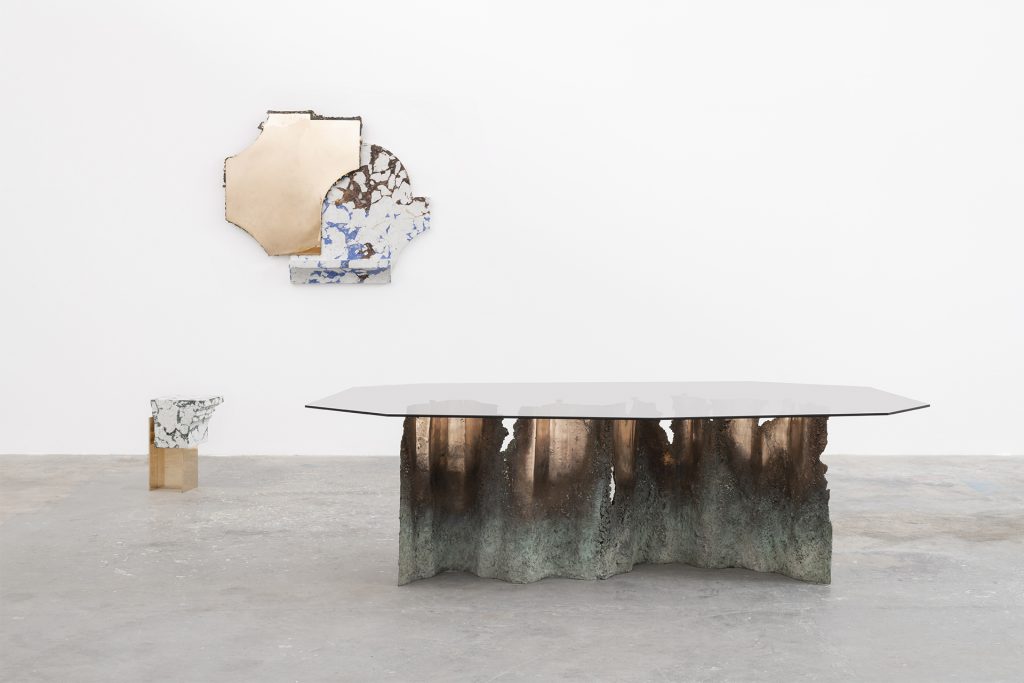 Ruins Volubilis
Ph Federico Villa