
Tosin Oshinowo is a Lagos-based Nigerian architect and the principal and founder of Oshinowo Studio, established in 2013. She has worked on several civic, commercial, and residential projects throughout Nigeria and is renowned for her socially responsive approach to architecture, design, and urbanism. Oshinowo’s key designs include a project with the United Nations Development Programme to build a new community in northern Nigeria for a village displaced by Boko Haram, the Maryland Mall in Lagos, and Adidas’ flagship store in West Africa. Her work demonstrates a strong interest in architectural history while embodying a contemporary perspective on African design and innovation. Her curatorial work focuses primarily on concerns of culture and identity,
embodying a contemporary perspective of urbanism in the global South. She co-curated the second Lagos Biennial in 2019 and curated the second Sharjah Architecture Triennial in 2023. She also partnered with Lexus International on a conceptual design exploration for Design Miami 2020. Her research project, Alternative Urbanism: Self-organising Lagos Markets, received a special mention award at the 19th Venice Architecture Biennale.
Oshinowo is a registered architect in the Federal Republic of Nigeria and a member of the Royal Institute of British Architects. Before founding Oshinowo Studio, she worked in the offices of Skidmore Owings & Merrill in London and the Office of Metropolitan Architecture in Rotterdam, where she was part of the team that designed the 4th Mainland Bridge proposal in 2008. Returning to Lagos, she practised at James Cubitt Architects and led notable projects, including designing the corporate head office building for Nigeria LNG in Port Harcourt. She has a BA in Architecture from Kingston University London, an MSc in Development and Planning: Building and Urban Design in Development from the University College London, an AA Diploma from the Architecture Association London, and a Master’s in Business for Architecture and Design from IE University Madrid. She is a 2025 Loeb Fellow at Harvard University’s Graduate School of Design.

ADUNNI PON_Emmanuel Oyeleke
What are the biggest challenges you have faced in your career?
There are two key challenges I have encountered, though I no longer see them as ongoing obstacles. The first relates to gender expectations in the field. As a woman actively involved in the execution of projects, not just the design, I initially faced some resistance. In this industry, there’s often an assumption that men handle construction while women focus on interiors. However, I’m a practicing professional who leads projects from the ground up, including site work and construction phases.
What I have come to realize is that it wasn’t always about overt prejudice, it was more about ingrained societal expectations. Once you surpass those, people begin to engage with you for your capabilities rather than your gender. Over time, with consistency and professionalism, these challenges faded. Today, they are no longer barriers.
The second challenge was gaining access to a global audience. While social media offers powerful tools for outreach, it’s not always easy to be recognized on the international stage while remaining rooted in one’s local context. Many practitioners in my environment are doing meaningful work, but few receive the same global visibility. Without changing who I am, what I do, or where I do it, I have managed to leverage this access to broaden the reach of my message and my practice. Each completed project, public talk, or curatorial effort has helped open doors and make the global architectural conversation more accessible to me.
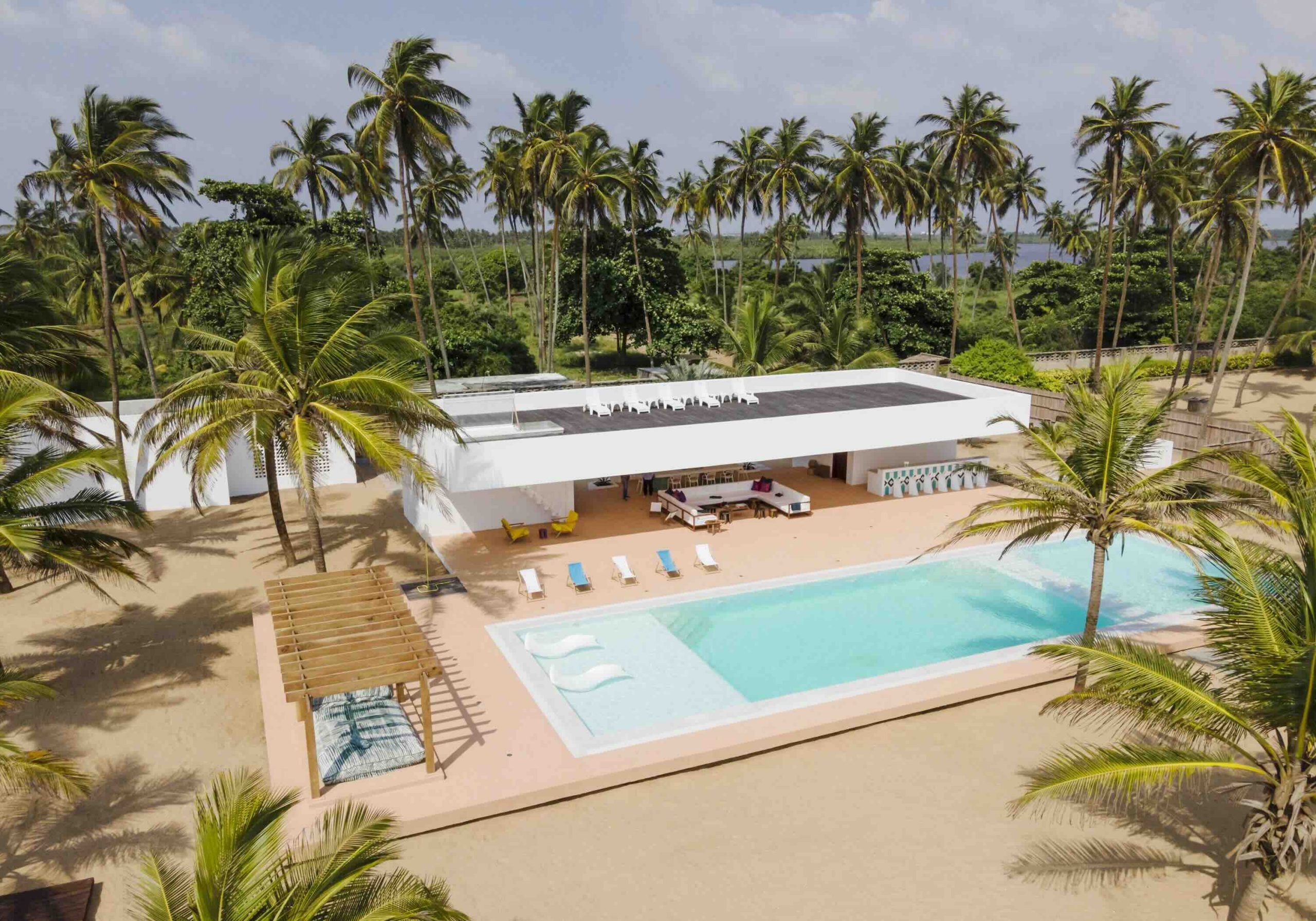
Architecture shoot of a agaja beach house at ilashe, Lagos.
How was your passion for design and art born?
I was always a creative child, and from an early age I seemed to have a strong sense of spatial awareness. I first noticed this when my father was building a holiday home. Among all my siblings, I was the only one truly engaged and curious about what was being built. I had a natural affinity for space.
In school, I consistently excelled in creative subjects like visual arts. So, when it came time to choose a path, architecture felt like a natural progression, channeling creativity through spatial thinking. I actually decided to become an architect at the age of 12 and never really considered a plan B. That certainty has stayed with me ever since.
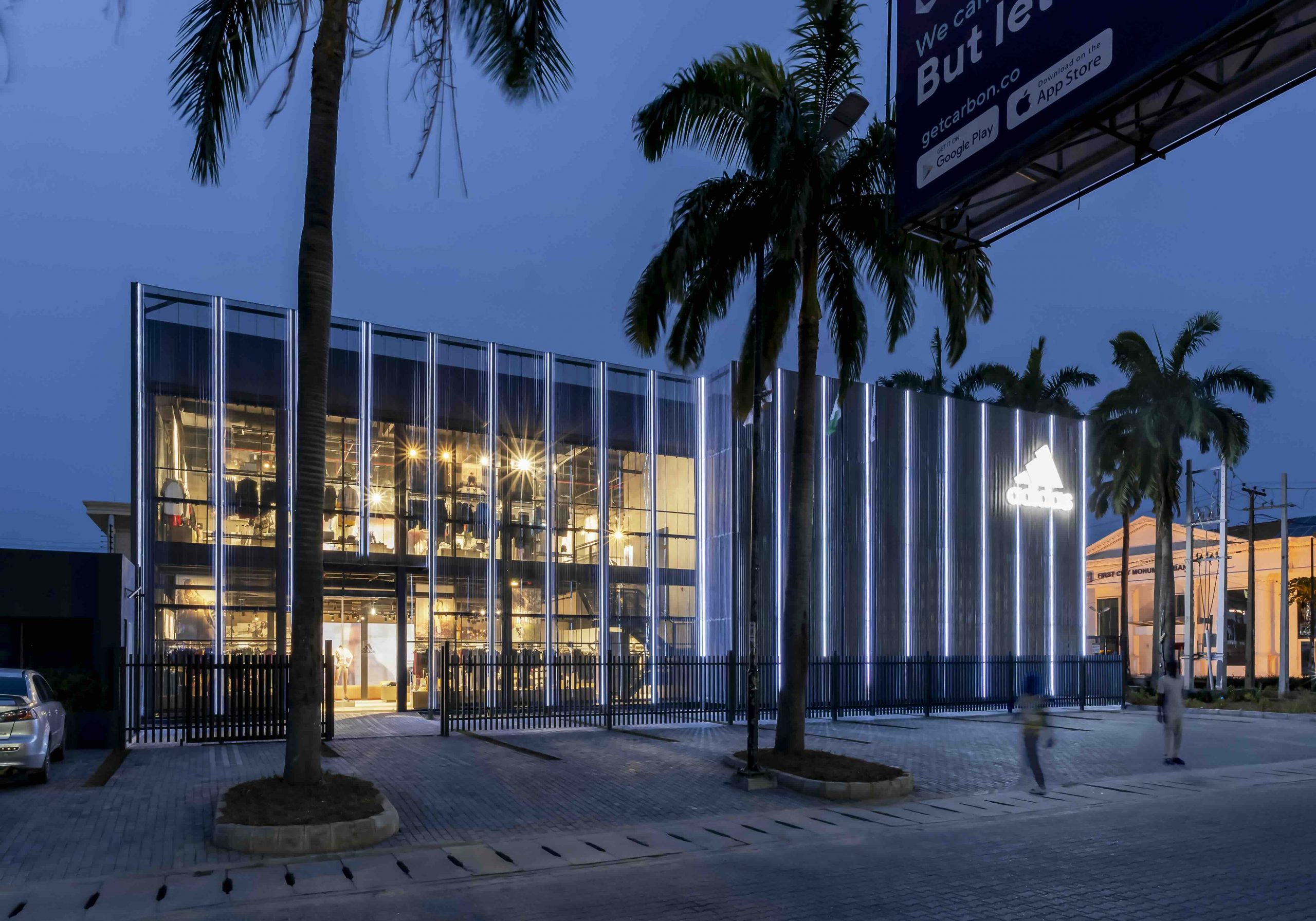
CORAL PAV. 1 – photo Tolu Sanusi
What is your main source of inspiration?
I’m inspired by everything and nothing at the same time. I love observing people: how they move through spaces, how they interact with one another and with their environments. I’m deeply interested in how spatial design reflects cultural identity.
Coming from a post-colonial African context, I often reflect on how to represent culture and tradition in the present day. That tension, between tradition and modernity, greatly informs my work. I’m also very driven by sustainability and climate-conscious design. Materiality, place, and context are central to my approach.
Working in West Africa, my practice is mostly focused on low- to medium-density projects, and I have found immense inspiration and purpose within that scale. My work is grounded in responding to climate, culture, and context, and I find endless inspiration in navigating that intersection.

Tosin Oshinowo Ph. Stephen Tayo